
Contents
- 1 From Zero Face to Always-On Face: Why Your Brand Needs an AI Influencer
- 1.1 What Is an AI Influencer?
- 1.2 Why Your Brand Needs an AI Influencer
- 1.3 How to Integrate an AI Influencer Into Your Brand Strategy
- 1.4 Common Challenges & How to Overcome Them
- 1.5 SEO Keywords and Phrases to Target
- 1.6 Frequently Asked Questions (FAQs)
- 1.7 Conclusion: The Future of Branding Is Always-On with AI Influencers
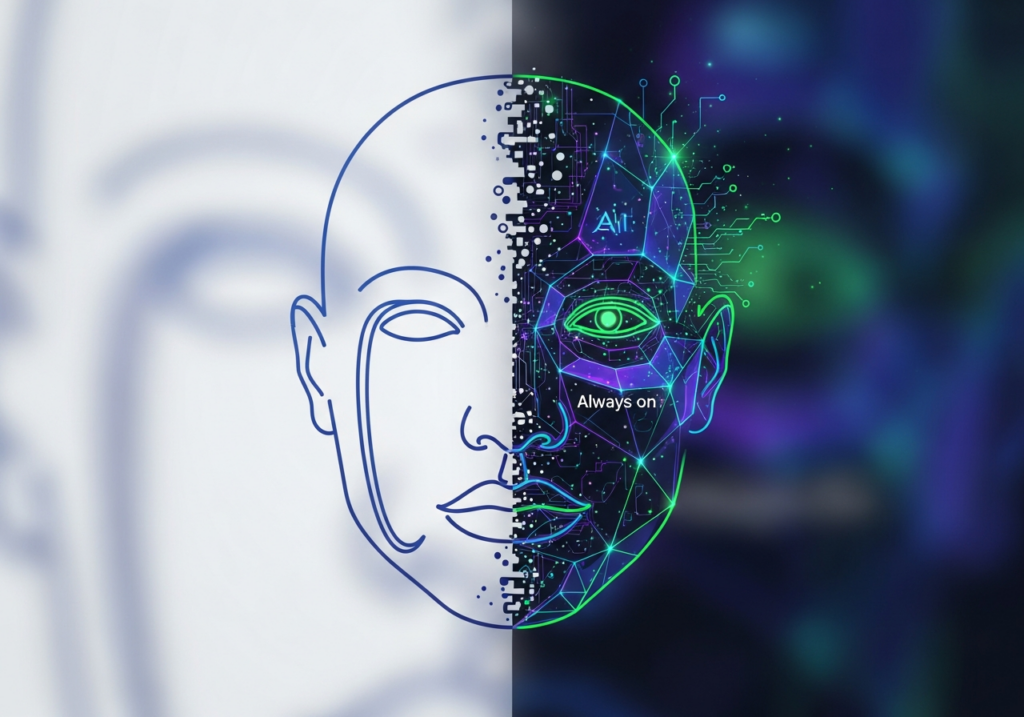
From Zero Face to Always-On Face: Why Your Brand Needs an AI Influencer
AI influencers are no longer futuristic concepts; they are rapidly transforming how brands connect with audiences in real time. If you’re wondering why your brand should consider incorporating an AI influencer, this article will break down everything you need to know. We’ll explore how AI influencers create constant engagement, expand your reach, and provide a reliable “always-on” brand persona that never sleeps.
What Is an AI Influencer?
An AI influencer is a computer-generated personality with a distinct human-like appearance and voice, designed to engage audiences on social media, marketing campaigns, and brand promotions. Unlike traditional influencers, AI influencers can operate 24/7 without downtime and deliver consistent messaging tailored to your brand’s objectives.
They use advanced Artificial Intelligence tools including deep learning, natural language processing, and real-time interaction technology to simulate authentic conversations and emotional connections.
Examples of Popular AI Influencers
- Lil Miquela – virtual influencer with millions of followers on Instagram.
- Shudu – often cited as the world’s first digital supermodel.
- Zhi – AI personality famous for its fashion-forward content.
Why Your Brand Needs an AI Influencer
1. Achieve Constant & Scalable Engagement
Unlike human influencers who have limited hours and availability, AI influencers operate 24/7, allowing your brand to have an always-on presence. They can respond instantly to consumer inquiries, launch campaigns at any time, and stay relevant across time zones, ensuring your brand presence never fades.
2. Deliver Consistent, Controlled Brand Messaging
Human influencers can sometimes deviate from brand guidelines or face PR issues. AI influencers offer full control over brand voice and messaging. This eliminates risks and ensures that your brand narrative stays consistent and professionally managed at all times.
3. Target & Personalize at Scale
With AI’s data-driven capabilities, AI influencers can tailor content for different audience segments automatically, improving relevance and boosting engagement. They can analyze customer preferences in real time and adjust responses accordingly, giving your campaigns unmatched personalization.
4. Cost-Effective Alternative to Celebrity Endorsements
Creating and managing an AI influencer can be more affordable over time compared to partnering with high-profile celebrities or paying for recurring influencer fees. Plus, you avoid conditional costs like travel, schedules, or contract disputes.
How to Integrate an AI Influencer Into Your Brand Strategy
Step 1: Define Your Brand Personality and Goals
Start with a clear understanding of your brand’s voice, values, and target audience. This ensures the AI influencer’s persona aligns seamlessly with your marketing objectives.
Step 2: Develop the AI Influencer Character
Create a digitally rendered avatar with distinct human traits. Use AI tools to program behavioral patterns, language style, and visual aesthetics matching your brand identity.
Step 3: Set Up AI-Driven Content & Interaction Systems
Leverage Natural Language Processing and Machine Learning tools to design how your AI influencer interacts with followers and generates content—ranging from social posts, stories, videos, to real-time chats.
Step 4: Launch and Optimize Continuously
Deploy the AI influencer across your social channels, continuously monitor analytics, and refine interactions to maximize audience engagement and ROI.
Common Challenges & How to Overcome Them
Lack of Human Touch
While AI influencers simulate personality, they may sometimes lack authenticity. To overcome this, combine AI influencers with real human interaction or involve users in co-creating content to enhance genuineness.
Technical Complexities
Developing AI influencers requires sophisticated technology and expertise. Partnering with established AI platforms or agencies with a proven track record can smooth the implementation process.
Public Skepticism
Some audiences may find AI influencers less trustworthy. Transparency about using AI personas and ethical marketing practices helps build credibility over time.
SEO Keywords and Phrases to Target
- AI influencer marketing
- Benefits of AI influencers
- How to create AI influencer
- AI influencer platforms
- Virtual brand ambassador
- AI influencer vs human influencer
- Always-on marketing strategy
- Artificial intelligence in branding
Frequently Asked Questions (FAQs)
What is an AI influencer and how does it work?
An AI influencer is a computer-generated digital personality designed to promote brands using algorithms that simulate real human behavior on social media and marketing platforms.
Are AI influencers effective compared to human influencers?
AI influencers can be more consistent, scalable, and cost-effective, offering unique benefits like 24/7 availability and personalized interactions, though they may lack some emotional authenticity.
How can brands start using AI influencers?
Brands should define clear goals, create a digital persona aligned with their identity, use AI tools for content and interaction creation, and monitor performance to optimize results.
What platforms support AI influencer marketing?
Leading social media platforms like Instagram, TikTok, and YouTube are ideal, along with dedicated AI influencer marketing platforms such as [Culture Machine](https://culturemachine.com) and [Brud](https://brud.com).
Is it costly to develop an AI influencer?
Initial development can require investment in technology and creative resources but offers long-term cost savings compared to traditional influencer marketing fees.
Conclusion: The Future of Branding Is Always-On with AI Influencers
AI influencers represent the next evolution in digital marketing. By delivering round-the-clock engagement, consistent messaging, and highly personalized brand experiences, they empower companies to maintain a strong, active presence that adapts to audience needs seamlessly. If your brand wants to stay ahead, integrating AI influencers into your marketing strategy isn’t just an option—it’s a necessity.
Start today by defining your brand’s AI persona and leverage AI tools to craft engaging, scalable campaigns that meet modern consumer expectations. Your brand’s always-on face awaits.